Hair Loss Treatment in Alexandria, VA: Understanding the Cycle and the Role of PRP Therapy
Error: Contact form not found.
Hair thinning is one of those concerns that feels deeply personal very quickly. For many people living in Alexandria and surrounding Northern Virginia areas, it affects confidence, appearance, and daily comfort.
At Addis Health and Wellness Center, hair restoration is approached from a medical and biological perspective. The goal is not just cosmetic improvement, but understanding underlying contributors such as hormones, stress, nutrition, and follicle health — and then supporting the body’s natural growth cycle through evidence-based treatments like PRP.
Hair loss is rarely random. It follows predictable biological patterns, and once those are understood, treatment becomes more targeted and effective.
Why Hair Loss Feels So Personal
Hair plays a major role in self-image. When shedding begins, people often notice it early — sometimes before it becomes visibly obvious to others.
In Alexandria and across Northern Virginia, hair loss is often noticed during periods of:
Increased stress
Sleep disruption
Hormonal changes
Illness recovery
Lifestyle imbalance
Hair is also one of the earliest external indicators that something internally has shifted in the body, which is why evaluation beyond the scalp is important.
Understanding the Hair Growth Cycle
Hair growth follows a continuous biological cycle:
Anagen (Growth Phase)
Lasts 2–7 years
Active growth stage
Determines length and density
Catagen (Transition Phase)
Short transitional phase
Follicle begins detaching from blood supply
Telogen (Resting Phase)
Hair remains inactive for ~3 months
No active growth occurs
Exogen (Shedding Phase)
Old hair naturally sheds
New hair begins emerging
Hair thinning can occur when this cycle becomes disrupted — particularly when the growth phase shortens and resting/shedding phases increase.
Over time, follicles may undergo miniaturization, meaning:
Hair grows back thinner
Growth cycles shorten
Follicles gradually produce weaker strands
Types of Hair Loss Seen in Clinical Practice
Proper diagnosis is essential because different types respond to different treatments.
Androgenetic Alopecia (Pattern Hair Loss)
Men:
Receding hairline
Crown thinning
Women:
Widening part
Diffuse thinning
Telogen Effluvium
Temporary shedding often triggered by:
Stress
Illness
Surgery
Hormonal shifts
Alopecia Areata
Autoimmune condition
Patchy, sudden hair loss
Traction Alopecia
Caused by long-term tension on follicles
Tight hairstyles or extensions
The Role of Hormones in Hair Loss
Hair follicles are highly sensitive to hormonal changes.
DHT (Dihydrotestosterone)
A derivative of testosterone
Can cause follicle miniaturization in genetically susceptible individuals
Key factor in pattern hair loss
Estrogen
Helps maintain hair in the growth phase
Declines during postpartum or menopause can contribute to shedding
These hormonal influences explain why hair loss patterns vary between individuals and life stages.
Hair Loss Progression Scales
Norwood Scale (Men)
Stage I: Minimal recession
Stage II: Mild temple recession
Stage III: Early visible thinning
Stage IV–V: Significant crown and frontal thinning
Stage VI–VII: Advanced hair loss
Ludwig Scale (Women)
Stage I: Mild widening part
Stage II: Moderate thinning
Stage III: Advanced visible scalp exposure
Early-stage intervention generally offers better outcomes because follicles are still active.
How PRP Therapy Supports Hair Regrowth
Platelet-Rich Plasma (PRP) therapy is a regenerative treatment that uses concentrated growth factors from your own blood to support follicle activity.
When injected into the scalp, PRP may help:
Support Follicle Activity
May help stimulate inactive or weakened follicles to re-enter the growth phase.
Extend Growth Phase
Can help prolong the active hair growth cycle.
Improve Scalp Environment
May support healthier blood flow and tissue repair signaling.
Improve Hair Quality
Can help increase thickness and strength of existing hair strands.
Reduce Inflammation
May support a healthier environment for follicle function.
PRP does not create new follicles. Instead, it supports existing follicle function — which is why earlier treatment tends to show better results.
Combination Therapy: A More Comprehensive Approach
In many cases, PRP works best when combined with other clinically supported therapies, depending on individual evaluation:
Minoxidil (may support growth stimulation)
Finasteride (may reduce DHT activity in appropriate candidates)
This multi-layered approach addresses both internal and external contributors to hair thinning.
What We See in Clinical Practice
At Addis Health and Wellness Center, many patients seek care early — often after noticing increased shedding or subtle thinning.
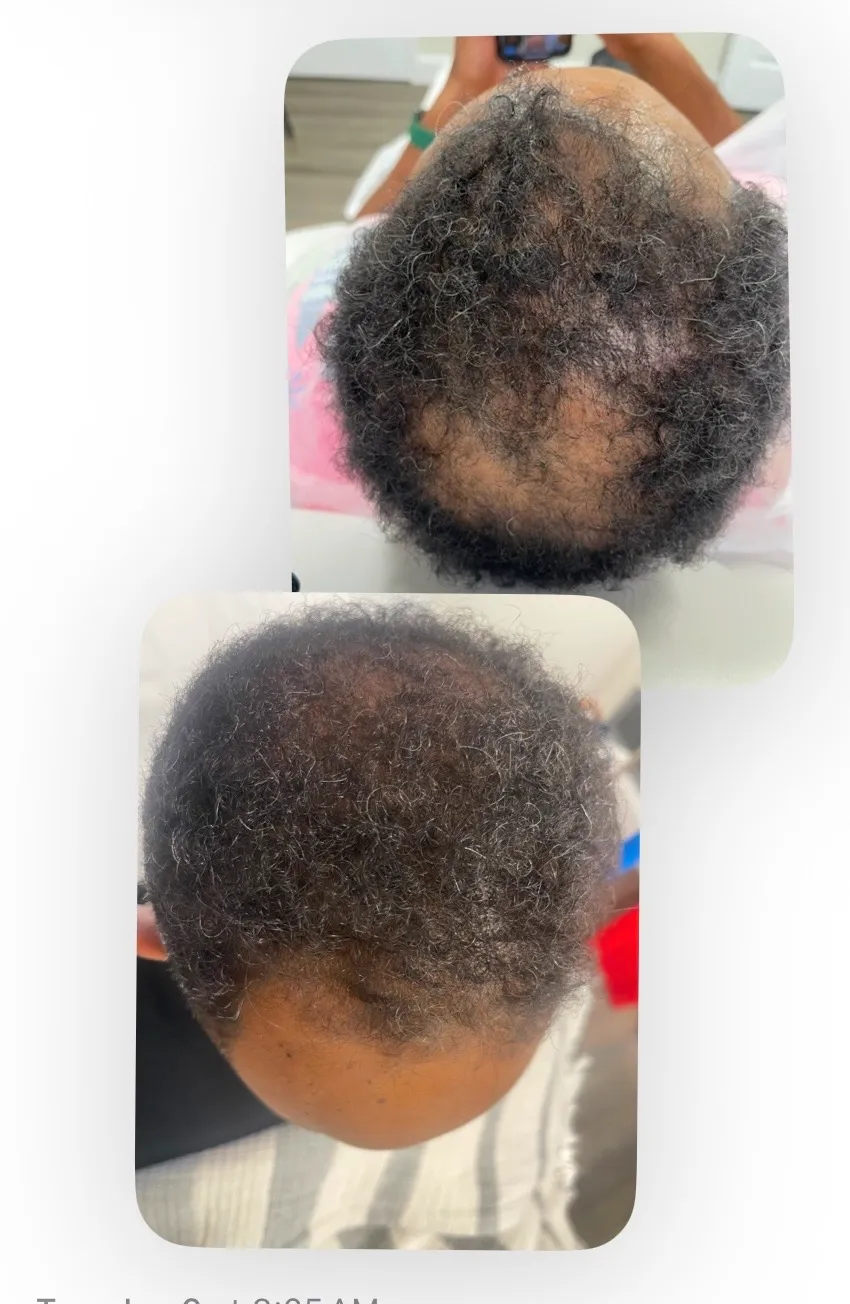
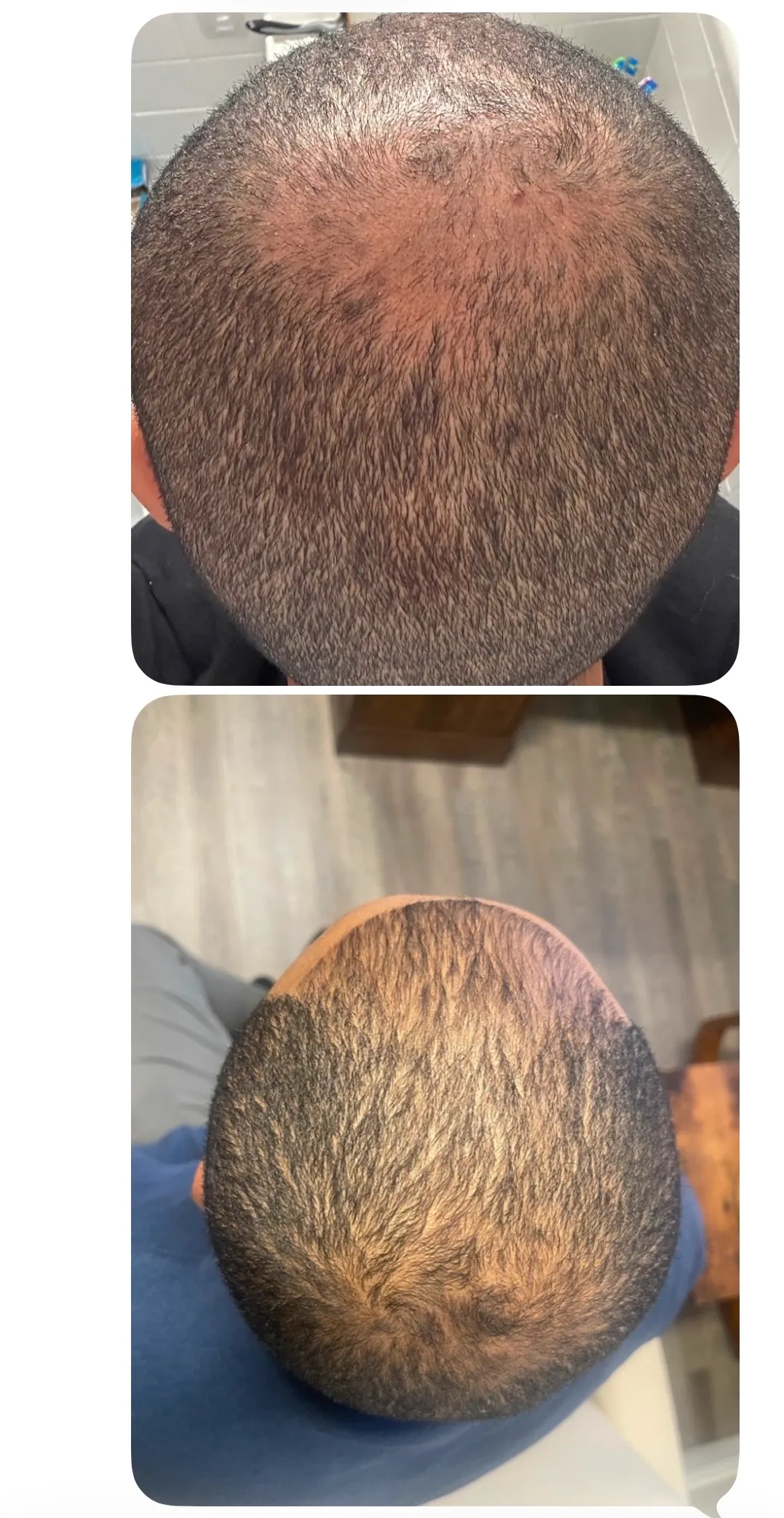
With consistent treatment, many patients report:
Reduced shedding over time
Improved hair texture
Gradual increase in density
Improved confidence
Hair restoration is a gradual process and depends heavily on consistency and follicle health.
Why Early Treatment Matters
There is a critical window where follicles are still alive but weakened.
During this stage:
Hair loss progression may be slowed
Follicles may still respond to treatment
Density can often be improved
When follicles remain inactive for extended periods, regrowth becomes significantly more limited.
What a Hair Restoration Consultation Includes
At our clinic serving Alexandria, evaluation may include:
Medical & Lifestyle Review
Health history
Stress levels
Sleep patterns
Nutrition habits
Medication review
Scalp Assessment
Hair density evaluation
Pattern identification
Stage classification
Personalized Treatment Plan
Based on findings, a plan may include:
PRP therapy schedule
Medical therapy options (if appropriate)
Lifestyle and nutritional support
Frequently Asked Questions
Does PRP regrow hair?
PRP may help improve the function of existing follicles. It does not create new hair follicles.
How many PRP sessions are needed?
Most patients typically start with 3 sessions spaced several weeks apart, followed by maintenance based on response.
Is PRP enough on its own?
PRP is often most effective as part of a comprehensive plan tailored to the individual.
Can hair loss be reversed?
In many cases, thinning can be improved or stabilized, especially when follicles are still active.
The Bigger Picture
Hair loss is often linked to internal factors such as:
Hormonal imbalance
Chronic stress
Nutritional deficiencies
Inflammation
Genetic sensitivity
Effective treatment focuses on both scalp health and underlying biological contributors.
Client Spotlight
“After starting treatment, I noticed less shedding and gradual improvement in density. It helped knowing I was addressing the issue early.”
PRP Hair Restoration Alexandria VA
Wellness Pick of the Month
IV Hydration Therapy
IV therapy may support hydration, nutrient delivery, and overall wellness, which can indirectly support hair and scalp health as part of a broader treatment plan.
Take the Next Step
If you are noticing thinning or increased shedding, early evaluation is important.
At Addis Health and Wellness Center in Alexandria, we focus on identifying underlying causes of hair loss and creating personalized treatment plans that may include PRP therapy and supportive medical care.